October 29, 2026
A Flavor-Packed Journey Through Cuban Bakery Aurora CO
By @tysonpwoy959
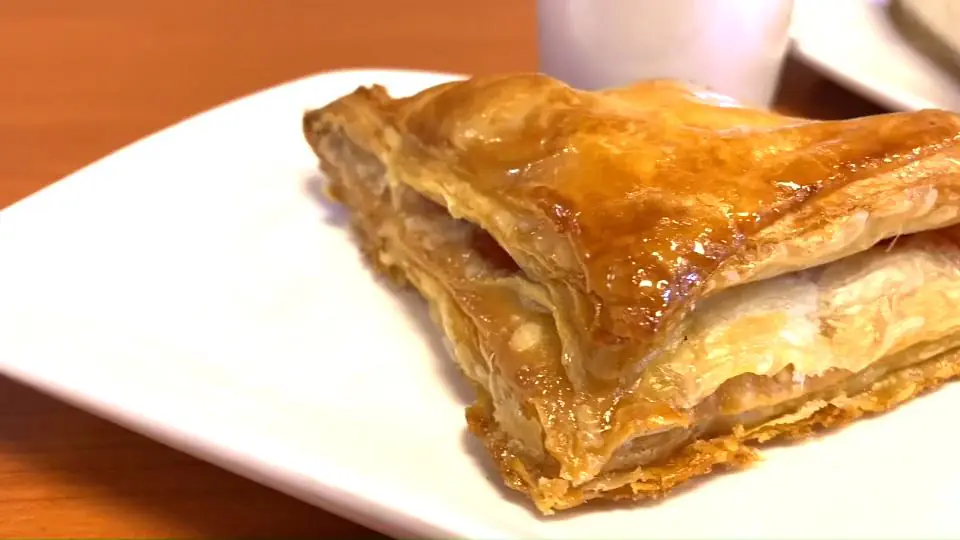
Aurora has never been a one-note food city. Its best meals often come from places tucked into modest shopping centers, family-run counters, and bakeries where the display case tells the whole story before anyone says a word. That is exactly why the search for a great Cuban bakery Aurora CO experience feels so rewarding. You are not only looking for pastries or a loaf of bread. You are stepping into a culinary tradition shaped by migration, memory, technique, and daily routine.
A good Cuban bakery does not rely on novelty. It wins you over with consistency, fragrance, texture, and warmth, both literal and personal. The coffee should be strong. The pastry case should look generous, not fussy. The savory items should feel made for real hunger, not just for display. When the place is run well, you can tell in the first few minutes. The bread is still crisp at the edges, the fillings taste distinct rather than muddled, and someone behind the counter can tell you which items move fastest before noon.
In Aurora, that matters. This is a city where diners tend to know good food when they taste it. The local audience is diverse, practical, and not easily impressed by style without substance. A Cuban bakery that earns loyal regulars here usually does so the hard way, through repetition, discipline, and flavor that holds up day after day.
Why Cuban bakery culture resonates so deeply
Cuban baking sits at a fascinating crossroads. It carries Spanish roots, Caribbean character, and the practical logic of immigrant food businesses that must serve multiple needs at once. The bakery is not just for sweets. It is also for breakfast, lunch, coffee breaks, family gatherings, and the kind of last-minute errand that ends with a box of pastries tucked under one arm.
That range is part of the appeal. In one visit, a customer might order café con leche, a guava pastry, a ham croquette, and bread for sandwiches later in the day. The experience feels complete. It is not segmented into separate categories the way some modern specialty shops operate. The sweet and savory sit comfortably beside each other. So do indulgence and utility.
For people who grew up around Cuban food, the bakery can trigger a rush of recognition. The smell of butter on laminated dough, the faint sweetness of guava paste warming in the case, the toasted shell of Cuban bread, all of it can feel familiar in a very personal way. For newcomers, the attraction is often simpler at first. The food is flavorful, approachable, and satisfying. One pastry leads to another. One coffee stop becomes a weekly ritual.
Aurora is especially well suited to that kind of business because the city supports food traditions that feel lived in rather than curated. A strong Cuban bakery can thrive here if it respects the basics and avoids turning heritage items into gimmicks.
The first thing you notice is almost always the bread
Bread is where many Cuban bakeries either earn trust or lose it. Cuban bread sounds straightforward until you try to make it well at scale. It needs a delicate balance: a thin, crisp crust, a light interior, enough structure to hold pressed sandwiches, and enough tenderness to remain enjoyable on its own.
Colorado’s dry climate complicates baking in subtle ways. Bakers often have to adjust hydration, proofing time, or oven behavior to get results that would come more naturally in more humid places. That does not make great bread impossible in Aurora, but it does mean a bakery cannot coast on formulas copied from somewhere else. Technique matters more here. Timing matters more. Storage matters more.
When a Cuban bakery in Aurora gets the bread right, it becomes the anchor for everything else. Sandwiches taste better. Toasted breakfast orders taste better. Even a plain piece torn from the loaf carries enough character to remind you why bread is never just a side detail.
The best loaves have a crisp shell that gives way with a gentle crackle, not a hard shatter. Inside, the crumb should feel airy without being hollow. If you take a loaf home and it still has life in it a few hours later, that is usually a good sign the bakery knows its craft.
The pastry case tells a story before the first bite
A Cuban bakery should look abundant, but abundance alone is not quality. A crowded case can hide stale product just as easily as it can show range. What separates a strong bakery from an average one is turnover, freshness, and balance.
The classic sweet profile in many Cuban pastries leans toward guava, cream cheese, coconut, custard, and lightly sweet doughs rather than extreme sugar overload. That distinction matters. The pastries should feel indulgent, but they should not flatten the palate after two bites. Good bakers understand restraint. Even in sweeter items, they leave room for butter, fruit brightness, or dairy richness to come through.
Guava pastries are often the gateway item for first-time customers. They are easy to like, but also surprisingly easy to get wrong. If the filling is too sparse, the pastry tastes dry. If the filling is too thick or too sweet, the fruit loses its charm and becomes sticky noise. When done properly, the guava brings floral sweetness and gentle acidity, while the pastry provides texture and fat. Add cream cheese and you get contrast that keeps the whole thing from becoming one-dimensional.
Then there are the less flashy staples, the ones regulars quietly buy in multiples. A simple turnover with good lamination, a flaky shell with a savory filling, a cookie that pairs perfectly with coffee, these are often the strongest indicators that the bakery is built on real daily practice rather than a handful of showpieces.
Savory items are where many regulars become loyal
People unfamiliar with Cuban bakery culture sometimes assume the main event is dessert. It often is not. In many bakeries, the savory section is what creates repeat business. A person may arrive for a pastry and coffee, but come back because the croquetas were crisp outside and creamy inside, or because the stuffed pastries made an easy lunch that actually tasted homemade.
Savory pastries and snacks reveal a lot about a kitchen’s standards. Fillings should taste seasoned, not just salty. Texture is crucial. Ground meats need moisture but not grease. Ham and cheese combinations should feel balanced rather than heavy. A potato ball or croquette should hold together cleanly, with a shell that does not fall apart at the first bite.
There is also a practical side to this. In a city like Aurora, many customers are fitting bakery visits into busy schedules. They want something portable, filling, and reliable. A Cuban bakery that offers savory food worth planning around gains an edge quickly. It becomes a place for the commute, the late breakfast, the working lunch, the weekend errand run.
I have noticed over the years that when a bakery’s savory case empties early, it usually says more than any online review. That kind of demand is hard to fake. Regulars know what is worth grabbing before noon.
Coffee is not an accessory
Any serious conversation about Cuban bakery Aurora CO has to include coffee. Strong coffee is part of the rhythm, not just a menu option. In a well-run shop, coffee helps organize the room. It drives morning traffic, supports pastry sales, and gives the place a pulse.
Cuban coffee traditions emphasize intensity and sweetness, though preferences vary. Some customers want a bold, dark shot with sugar already integrated. Others go for café con leche, where the milk softens the edge without dulling the roast. Either way, coffee should taste deliberate. Weak https://paxtonnggt453.laurelcurrent.com/posts/best-afternoon-snacks-from-a-cuban-bakery-in-aurora-co coffee in a Cuban bakery feels like a missed handshake.
There is a functional relationship between the coffee and the food. A sweet pastry becomes more interesting beside a strong, slightly bitter sip. A savory croquette lands differently when paired with hot coffee than it does with a cold soda. These combinations are not accidental. They developed because they work.
That is also why service speed matters. Morning bakery traffic often peaks in waves. People stop in before work, between errands, or after dropping off kids. A bakery that can move those lines efficiently without making the interaction feel cold usually earns repeat visits. Friendly shorthand at the register, a quick recommendation, a staff member who remembers what regulars order, these details seem small until you compare them to places that treat every transaction like an inconvenience.
What to look for when choosing a Cuban bakery in Aurora
Not every bakery advertises itself the same way, and not every good one has a polished digital presence. Some of the best neighborhood spots still rely more on word of mouth than on branding. If you are trying to find a standout Cuban bakery Aurora CO destination, it helps to know what signals matter.
- Fresh trays coming out through the morning, not a case that looks untouched for hours
- Bread with a crisp exterior and a light crumb, especially if it is used for pressed sandwiches
- A mix of sweet and savory items, rather than a pastry selection that feels narrow
- Coffee that tastes strong and intentional, not generic or watered down
- Steady local traffic, especially repeat customers who seem to know exactly what they want
Those clues tell you more than decor ever will. A modest interior does not hurt a bakery. In fact, some of the most memorable ones are almost plain at first glance. What matters is movement, aroma, freshness, and whether the food seems built for regular life rather than occasional novelty.
The role of sandwiches in the full bakery experience
A Cuban bakery with a proper sandwich program moves into a different category altogether. At that point, it is not just a bakery. It becomes a neighborhood food hub. Pressed sandwiches, especially Cuban-style combinations built on the right bread, can turn a quick stop into a complete meal.
The foundation matters more than the toppings. If the bread does not toast properly, the sandwich never quite comes together. You want an exterior that crisps under pressure while the inside stays tender enough to compress without turning dense. The fillings should warm evenly, and the mustard, pickles, pork, ham, or cheese, depending on the style, should taste integrated rather than piled on.
Sandwiches also reveal whether the bakery understands flow. During lunch, speed becomes a bigger factor. A customer waiting for a fresh-pressed sandwich will forgive a few extra minutes if the result is hot, balanced, and clearly worth it. They will not forgive sloppy assembly or bread that collapses under steam.
In Aurora, where lunch choices are broad and competition is real, sandwich quality can be the difference between an occasional visit and a regular habit. People have plenty of options. If they choose the bakery repeatedly, it is because the food delivers.
Tradition and adaptation can coexist
One of the most interesting things about regional food businesses in growing cities is how they adapt without losing themselves. A Cuban bakery in Aurora may serve a customer base that includes Cuban families, broader Latin American communities, longtime Colorado residents, military families, transplants from Florida, and curious first-timers. That mix shapes demand.
Adaptation is not a problem when it is done thoughtfully. Adding broader breakfast options, adjusting sweetness slightly for local preference, or expanding the savory selection can make sense. The key is to protect the core identity. Once a bakery starts sanding off every distinctive edge in search of universal appeal, it usually becomes less memorable.
The strongest shops tend to understand this balance instinctively. They keep the staples intact. They respect the pastries and breads people come looking for. At the same time, they read the room. Maybe they notice customers wanting heartier lunch choices. Maybe they respond to demand for easier grab-and-go packaging. Maybe they refine production timing so that key items stay fresh across a longer service window.
That kind of adaptation reflects business intelligence, not compromise. Food traditions survive because people carry them forward, not because they freeze them in place.
A bakery visit is about atmosphere too
Food can be excellent and still feel forgettable if the atmosphere is off. Bakeries, perhaps more than many food businesses, live on mood. The room should feel active, welcoming, and grounded. Not necessarily quiet, not necessarily polished, but alive.
There is a certain comfort in hearing trays shift behind the counter, in seeing someone choose pastries for a family gathering, in watching workers move with the ease that comes from repetition. These are sensory businesses. You hear the espresso machine, smell toasted bread, see powdered sugar on the case ledge, and feel the pace of people coming in with purpose.
Some bakeries become informal community spaces in ways that would be hard to script. One table might hold retirees stretching a coffee over conversation. Another might have a parent and child sharing a pastry after school. Someone else is clearly there on a mission, buying a dozen items to take home. All of those patterns tell you the bakery matters beyond the transaction.
That kind of atmosphere cannot be faked with design trends. It grows out of routine, trust, and food people actually want to eat again.
Timing changes the experience
If you want the fullest sense of what a bakery can do, timing matters. Morning often gives you the broadest view of the operation. Bread is freshest, coffee service is most active, and the pastry case looks most complete. By midday, the savory items may tell the story better, especially if popular choices are already running low. Late afternoon can be more hit or miss, depending on how aggressively the shop bakes throughout the day.
For first-time visitors, a little strategy helps.
- Go earlier if bread is your priority
- Midmorning is often ideal for seeing both breakfast traffic and fresh pastry turnover
- Ask what came out recently, staff usually know what is at its best
- If a certain item is sold out, take that as useful information rather than disappointment
- Buy one familiar item and one recommendation, that is often the best way to understand a bakery’s strengths
Sold-out trays can be frustrating, but they are not always a flaw. Sometimes they are evidence that the bakery is making food in sensible quantities and maintaining quality rather than overproducing. The real question is whether the remaining items still feel cared for.
Why places like this matter to Aurora’s food identity
Aurora’s food scene is often discussed in broad strokes, diversity, global range, hidden gems, but bakeries show that story at a more intimate scale. They are where culinary identity becomes daily habit. You do not need a special occasion to visit. You just need appetite and a little curiosity.
A Cuban bakery contributes something specific to that landscape. It brings a format of hospitality that is generous, practical, and rooted in routine. It offers food that can be celebratory or ordinary, often in the same paper bag. That matters in a city built from many migrations and many working schedules. Not every meal needs to be a performance. Sometimes the most meaningful food is food people can return to twice a week without overthinking it.
For local diners, supporting these bakeries is also a way of supporting skilled labor that often goes unnoticed. Baking at this level is demanding work. It starts early, depends on precision, and leaves little room for shortcuts if quality is the goal. When a bakery manages to turn out good bread, solid coffee, strong savory offerings, and pastries that feel fresh rather than tired, that is not luck. That is craftsmanship.
The real pleasure is in the repetition
The first visit to a Cuban bakery can be memorable, especially if the case is full and the aromas hit at once. But the deeper pleasure comes later, when the bakery becomes part of your rhythm. You stop by for bread on the way home. You pick up pastries before visiting friends. You learn which hours are best for your favorite savory item. The staff starts to recognize your order.
That is when a bakery shifts from being a nice find to being a meaningful part of local life.
For anyone exploring the Cuban bakery Aurora CO scene, that is the standard worth using. Look past hype. Pay attention to the bread, the coffee, the turnover, the savory case, and the atmosphere created by regulars who return without ceremony. Great bakeries rarely need to announce their importance. You can taste it in the crust, hear it in the morning rush, and feel it in the easy confidence of a place that knows exactly what it is.
And when you find one, the smartest move is simple. Order more than one thing. Take bread home. Try a pastry you did not plan to buy. Sit with the coffee for a few extra minutes if you can. The full experience is never just one bite. It is the whole rhythm of the place, generous, fragrant, and deeply satisfying.
Cuba Bakery & Café
15028 E Mississippi Ave, Aurora, CO 80012
+1 303-752-2822
FAQ About Cuban bakery Aurora CO
What are Cuban pastries called?
Many small Cuban pastries are called pastelitos. They can have sweet or savory fillings, such as guava, cheese, guava and cheese, or seasoned meat. Cuba Bakery & Café lists guava, cheese, guava-and-cheese and beef pastries on its menu. Ask the bakery about current availability and ingredients when ordering.
What are traditional Cuban pastries?
Common Cuban bakery choices include flaky pastelitos filled with guava, cheese or meat. Cuban bakeries may also offer empanadas, breads and desserts alongside coffee. Cuba Bakery & Café lists pastelitos, several empanada fillings, pan Cubano and desserts such as tres leches and bread pudding. Selection can vary, so confirm the day's choices with the bakery.
What makes Cuban bread different?
Cuban bread is known for its light interior and a thin crust that becomes crisp when toasted or pressed. Traditional recipes often use lard, although ingredients vary by baker. It is commonly served as buttered toast or used for Cuban sandwiches. Cuba Bakery & Café lists pan Cubano and tostada on its menu; ask staff about the ingredients in their bread if you have dietary restrictions.
❧